How Pitcher Filters Work and What Families Can Expect
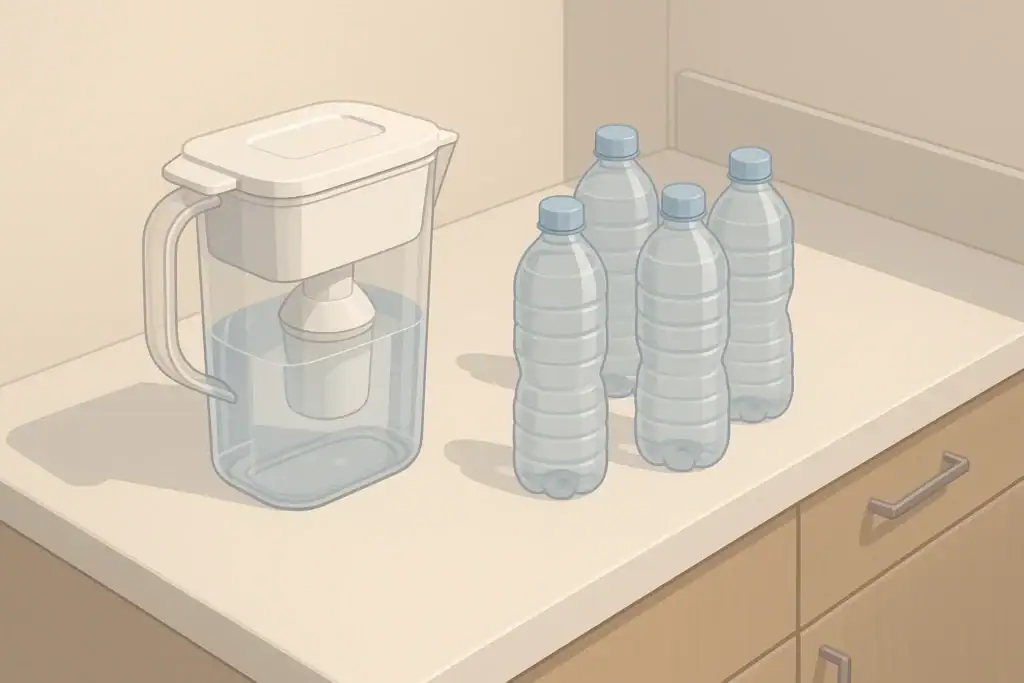
Pitcher filters sit on the counter or in the refrigerator. You pour tap water into the top reservoir, and it passes through a small cartridge—usually containing activated carbon and sometimes additional media—before collecting in the bottom chamber for dispensing.Strengths of Pitcher Filters for Families
Pitcher filters are often the first step into home water filtration because they are simple and low-commitment.- No installation: No tools, drilling, or plumbing access needed.
- Portable: Easy to move between rooms or homes, useful for renters and dorms.
- Refrigerator-friendly: Can provide chilled filtered water without modifying the fridge.
- Low upfront cost: Usually one of the least expensive starting options.
- Visible water level: Easy to see how much filtered water is ready for use.
Limitations of Pitcher Filters
For families, the main drawbacks are capacity and speed.- Limited volume: Typical pitchers hold only a few glasses to a couple of quarts of filtered water at a time.
- Refill time: Gravity filtration can be slow; repeated refills are common in larger households.
- Shorter filter life: Many cartridges are rated for a certain number of gallons or a few months, depending on use and water quality.
- Inconsistent use: Busy families may forget to refill the pitcher, leaving no filtered water ready when needed.
- Clutter: Pitchers take up counter or fridge space, which may be limited.
What Pitcher Filters Typically Improve
Most pitcher filters focus on improving taste and appearance of municipal tap water.- Taste and odor: Often reduce chlorine taste and smell using activated carbon.
- Visible particles: Some can reduce fine sediment or rust, depending on cartridge design.
- Selected contaminants: Certain pitcher cartridges may be certified to reduce specific contaminants like lead or certain organic chemicals, but coverage varies.
How Under-Sink Filters Work and What Families Can Expect
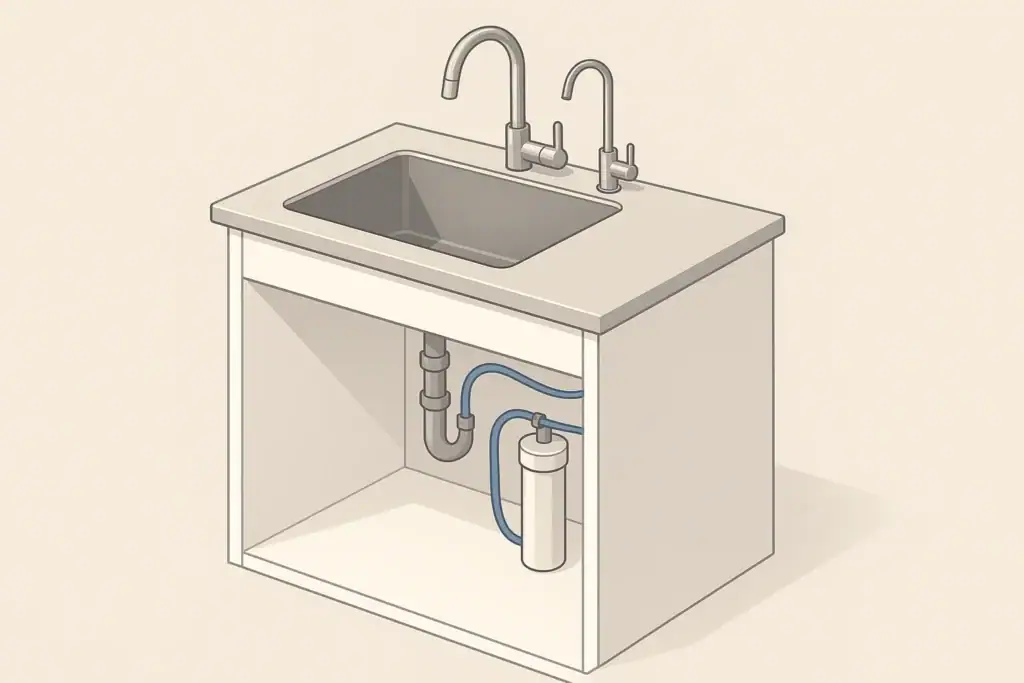
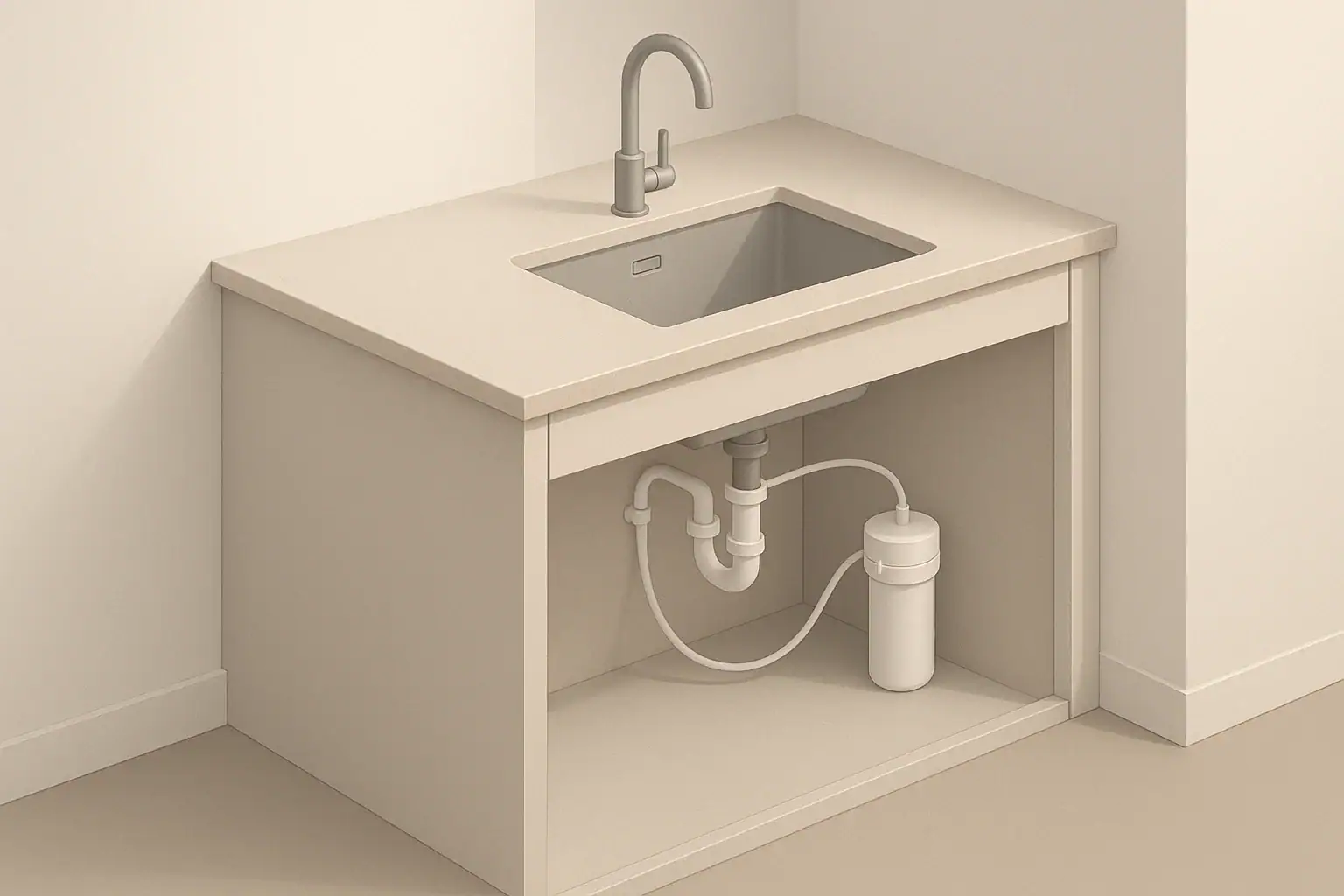
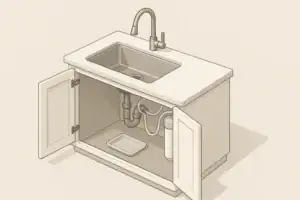
Under-sink filters are installed in the cabinet beneath the kitchen sink and connect directly to the cold-water line. Filtered water is usually dispensed through a dedicated faucet or, in some configurations, through the main kitchen faucet.Strengths of Under-Sink Filters for Families
Under-sink systems often suit higher daily water use, which is common in family kitchens.- On-demand filtration: Water is filtered as you turn on the tap, reducing the need to plan ahead or refill a container.
- Higher capacity: Cartridges commonly handle many more gallons than pitcher filters before replacement.
- Faster flow: More suitable for filling pots, cooking, and frequent drinking water refills.
- Hidden equipment: The filter housing stays out of sight, preserving counter and fridge space.
- Flexible configurations: Systems may include multiple stages (sediment, carbon, specialty media) for broader contaminant reduction.
Limitations of Under-Sink Filters
Despite their convenience in daily use, under-sink filters involve some trade-offs.- Installation: Often requires basic plumbing work and, in some cases, drilling for a dedicated faucet.
- Space requirements: Takes up room under the sink, which may compete with storage.
- Higher upfront cost: Systems typically cost more than pitcher filters.
- Less portable: Not ideal if you move frequently or cannot modify plumbing.
- Access for maintenance: Cartridge changes require reaching into the cabinet and sometimes shutting off water.
What Under-Sink Filters Typically Improve
Under-sink systems can range from basic taste-and-odor filters to more advanced multi-stage units.- Taste, odor, and chlorine: Activated carbon stages commonly address these concerns.
- Sediment and turbidity: Sediment pre-filters help reduce fine particles and cloudiness.
- Specific contaminants: Depending on design and certifications, some under-sink filters target lead, certain volatile organic compounds (VOCs), some PFAS compounds, and other substances.
- Flow and pressure: Many are designed to maintain usable flow rates for kitchen tasks.
| Factor | Pitcher Filter | Under-Sink Filter |
|---|---|---|
| Upfront cost | Low (e.g., cost of a single pitcher and cartridge) | Moderate to higher (e.g., system plus installation) |
| Filter capacity | Lower (for example, around 40–120 gallons per cartridge) | Higher (for example, around 300–1,000+ gallons per cartridge) |
| Daily convenience | Must refill manually; slower gravity flow | On-demand from faucet; faster flow for cooking and drinking |
| Installation needs | None beyond initial setup and flushing | Requires connection to cold-water line and possible faucet hole |
| Counter/fridge space | Occupies visible space | Hidden under sink; only faucet visible |
| Household size fit | Best for 1–2 people or light use | Better for 3+ people or high kitchen use |
Key Water Quality Questions Before You Choose
The best choice for a family depends on the water coming into the home and how it is used. Before comparing options, it helps to clarify a few basics.Know Your Water Source
Most U.S. households use either municipal tap water or a private well.- Municipal water: Usually treated and disinfected, often with chlorine or chloramine. Utilities provide annual water quality reports that list detected contaminants.
- Private well water: Not regulated in the same way. Testing is the homeowner’s responsibility, and issues like hardness, iron, or bacteria can be more variable.
Understand Basic Water Metrics
Certain measurable characteristics influence which filter type is practical:- Hardness: High mineral content can shorten filter life by causing scale buildup on cartridges.
- Turbidity: Cloudy water with suspended particles may require a dedicated sediment stage to protect finer filters.
- TDS (total dissolved solids): Standard carbon-based pitcher or under-sink filters typically do not significantly reduce TDS, though they can still improve taste and odor.
- Pressure and flow: Under-sink filters rely on household water pressure; extremely low pressure can affect performance.
Consider Contaminants of Concern
Families may prioritize certain contaminants based on location, plumbing materials, and personal preferences. Common concerns include:- Chlorine and chloramine: Affect taste and odor in many municipal systems.
- Lead: May come from older service lines, solder, or fixtures.
- PFAS: Found in some areas due to industrial or firefighting foam use.
- VOCs and some pesticides: Present in certain groundwater or surface water sources.
- Sediment and rust: More common with older pipes or well systems.
- Microplastics: An emerging topic, with research and filtration approaches still evolving.
NSF/ANSI Certifications and What They Mean for Families
NSF/ANSI standards help households compare systems more objectively. Both pitcher and under-sink products may be certified, but coverage and performance levels differ by model.Common Certifications for Pitcher and Under-Sink Filters
- NSF/ANSI 42: Focuses on aesthetic effects such as chlorine taste and odor, and sometimes particulate reduction.
- NSF/ANSI 53: Covers reduction of certain contaminants that can affect health, such as lead or specific organic chemicals.
- NSF/ANSI 401: Addresses selected “emerging” compounds, such as some pharmaceuticals and personal care products.
- NSF/ANSI 58: Specific to reverse osmosis systems, which is a different category than standard under-sink filters covered here.
Why Certification Matters
Certification is not mandatory, but it offers several practical benefits:- Verification: Claims about contaminant reduction are tested by an independent body rather than just the manufacturer.
- Performance conditions: The test reports include details such as initial contaminant concentration, flow rate, and capacity.
- Comparability: Makes it easier to compare different formats (pitcher vs under-sink) on more equal terms.
Daily Convenience: How Each Option Fits Family Life
Even strong filtration performance can feel less useful if it does not match daily habits. Pitcher and under-sink filters change how families access water throughout the day.For Drinking and Cooking
- Pitcher: Works well when most filtered water is for drinking by the glass. Less convenient for filling large pots, pasta water, or frequent cooking tasks due to limited volume and slower refills.
- Under-sink: Better suited to households that use filtered water for both drinking and cooking. Continuous flow from the faucet simplifies meal prep and cleanup.
For Children and Guests
- Pitcher: Simple for children to see and use, provided they can lift and pour it safely.
- Under-sink: Always available at the same tap, reducing confusion about which water is filtered, especially for guests or caregivers.
Space and Aesthetics
- Pitcher: Takes visible space on the counter or in the refrigerator. Design and size can affect how easily it fits among other items.
- Under-sink: Hidden hardware preserves counter space but reduces storage under the sink. The dedicated faucet may slightly change the look of the sink area.
Maintenance, Filter Changes, and Cost Over Time
Both formats require ongoing cartridge replacement. Families often underestimate this when budgeting or comparing options.Maintenance Tasks
- Pitcher filters:
- Rinsing and flushing new cartridges according to instructions.
- Regularly washing the pitcher body and lid to manage film or buildup.
- Replacing cartridges after a set time or approximate volume.
- Under-sink filters:
- Shutting off water and relieving pressure (if required) before cartridge changes.
- Replacing one or more cartridges on a schedule (for example, every 6–12 months, depending on use and water quality).
- Occasionally checking for drips, loose fittings, or clogged stages.
Tracking Replacement Schedules
Many families sync filter changes with recurring calendar reminders or household tasks. Ignoring replacement schedules can lead to reduced flow, diminished taste improvement, or bypass of media that is saturated or clogged.Cost Per Gallon Considerations
While pitchers usually cost less upfront, replacement cartridges can make the long-term cost per gallon comparable to or higher than under-sink systems, especially for larger families.- To estimate, divide the cost of cartridges over a year by the approximate gallons of filtered water used in that period.
- Under-sink systems with higher-capacity cartridges may offer a lower cost per gallon for households that use several gallons of filtered water daily.
- Families that only drink a small amount of filtered water each day may find that a pitcher remains more economical overall.
Special Cases: When One Option Clearly Fits Better
In many situations, either format could work, but some circumstances strongly favor one or the other.When a Pitcher Filter Is Usually More Practical
- Living in a dorm, rental, or temporary housing where plumbing changes are not allowed.
- Needing a portable solution that can move between rooms or travel occasionally.
- Small households (one or two people) with modest filtered water use.
- Limited under-sink space or complex plumbing that makes installation difficult.
- Preference for chilled water stored in the refrigerator with minimal setup.
When an Under-Sink Filter Often Makes More Sense
- Families of three or more who use filtered water for both drinking and cooking.
- Households tired of constantly refilling pitchers or running out of water during meals.
- Kitchens where counter and fridge space are at a premium.
- Situations where broader contaminant reduction is desired and available through multi-stage under-sink systems.
- Homes where long-term cost per gallon is more important than the lowest initial cost.
How to Decide for Your Family
Choosing between an under-sink and a pitcher filter comes down to matching the system to your water quality, household size, and daily routines. Many families start by clarifying their primary goal: improving taste and odor, targeting specific contaminants, or increasing convenience in a busy kitchen. Next, they compare certified performance claims, installation requirements, space constraints, and the realistic cost of filter changes over time. Some households ultimately use both formats in different roles—for example, an under-sink filter for everyday kitchen use and a pitcher reserved for the refrigerator or a secondary area. By focusing on tested performance, maintenance needs, and how your family actually uses water each day, it becomes easier to see whether an under-sink or pitcher system is the better fit.Frequently asked questions
How should a family of four choose between an under-sink vs pitcher system?
Start by estimating daily filtered-water use for drinking and cooking, then compare capacity and flow: pitchers are fine for moderate drinking needs, while under-sink systems better support frequent cooking and multi-person use. Also factor in space, installation ability, and whether you need specific contaminant removal backed by certifications.Can a pitcher filter reliably remove lead from homes with older plumbing?
Some pitcher cartridges are certified to reduce lead, but capacity is limited and performance varies by product. If lead is a confirmed concern, an under-sink system with an appropriate NSF/ANSI 53 certification or a point-of-entry solution typically offers higher capacity and longer-term protection.How often do I need to replace cartridges in pitchers versus under-sink filters?
Replacement intervals depend on model, usage, and water quality: many pitchers recommend cartridge changes every 2–3 months or after roughly 40–120 gallons, whereas under-sink cartridges commonly last 6–12 months or several hundred gallons. Always follow the product’s stated capacity and adjust timing if your water has high sediment or hardness.Are under-sink filters better at reducing PFAS and other emerging contaminants than pitchers?
Some under-sink multi-stage systems with specialized media can reduce certain PFAS and emerging compounds when validated by testing, while most pitchers are not designed or certified for PFAS removal. Look for specific NSF/ANSI 401 listings or independent test reports for systems claiming to address these contaminants.Which option is more suitable for renters or people who move frequently?
Pitcher filters are generally more suitable for renters because they require no plumbing changes and are portable. Under-sink systems usually need a plumbing connection and may not be practical if you cannot modify fixtures or plan to move soon.About
WaterFilterLab
WaterFilterLab publishes practical guides on home water filtration: choosing the right format, understanding water metrics, verifying NSF/ANSI claims, and planning maintenance—without hype.
- NSF/ANSI standards explained (42/53/401/58)
- Clear trade-offs: pitcher vs faucet vs under-sink vs RO
- Maintenance planning: cost per gallon and replacement cadence
Related guides
More in Under-Sink Filters →
Carbon Block vs Activated Carbon Under-Sink Filters: What’s the Difference?
Learn how carbon block and granular activated carbon under-sink filters differ in design, performance, maintenance, and certifications so…
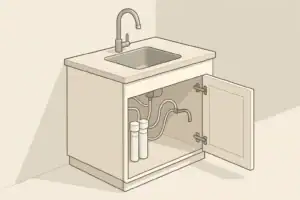
Under-Sink Filters for Apartments: Space-Saving Mounting Ideas
Learn how to mount under-sink water filters in small apartments with smart, space-saving layouts, hoses, brackets, and organization…
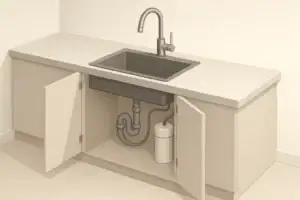
Under-Sink Filter Clogged Too Soon? Causes and Fixes
If your under-sink water filter keeps clogging early, learn the common causes, how to diagnose the problem, and…
Related posts
Browse this topic →Carbon Block vs Activated Carbon Under-Sink Filters: What’s the Difference?
Under-Sink Filters for Apartments: Space-Saving Mounting Ideas
Under-Sink Filter Clogged Too Soon? Causes and Fixes
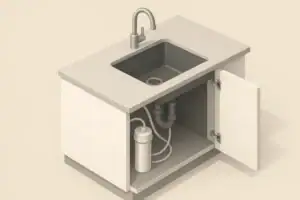
Best Under-Sink Filters for High Consumption Homes (High Flow + Long-Life)
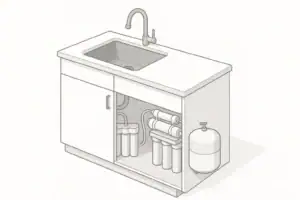
Under-Sink Filters vs RO: Do You Need Remineralization?
Fixing Under-Sink Filter Leaks: 7 Quick Checks
Keep reading