
Contaminants & Removal
Chlorine, lead, PFAS, VOCs, sediment—what filters can and cannot do.
Explore topics
Cyst Reduction Claims for Giardia and Cryptosporidium
Understand how cyst reduction claims apply to Giardia and Cryptosporidium, including pore size, certification, treatment limits, and replacement.
Cyanotoxin Advisories and the Limits of Home Water Filters
Understand when a cyanotoxin water advisory means avoiding tap water, why home filters may not be enough, and…
Filters for Trihalomethanes and HAA5 in Tap Water
Compare home filters for trihalomethanes and HAA5, certification claims that matter, and point-of-use versus whole-house treatment trade-offs.
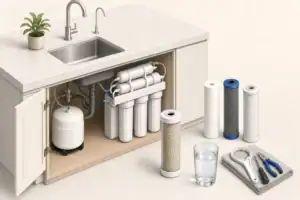
Fluoride Reduction Filters: RO vs Alumina (Carbon Check)
Reverse osmosis and activated alumina can reduce fluoride; carbon usually cannot. Compare testing, capacity, and upkeep, then choose…
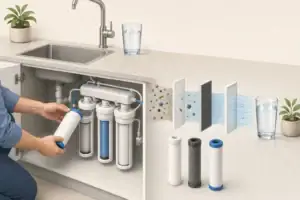
Arsenic III vs Arsenic V: 4 Treatment Differences
Arsenic III often needs oxidation before removal, while Arsenic V is easier to filter. See how speciation guides…
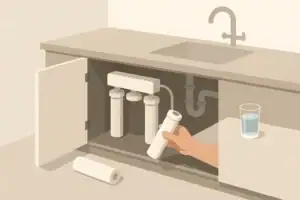
Total Coliform in Well Water: 5 Steps Before Filtering
A positive total coliform in well water test signals a fixable problem. Check the source, retest, and choose…
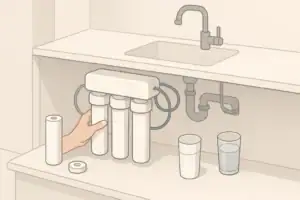
Manganese in Water: 3 Signs, Stains & What to Test
Black stains, metal odors, and hard-to-place water issues can point to manganese or something else. Test first to…
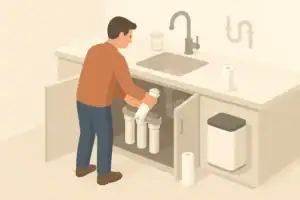
Radium and Uranium in Well Water: 3 Ways to Protect
Radium and uranium in well water can raise health concerns. See how testing reveals risks and which treatment…
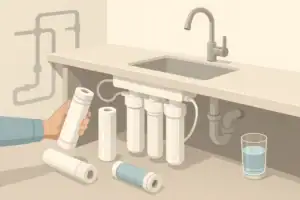
Chromium 6 in Tap Water: 5 Filter Types for You
See 5 common filter types for chromium 6 in tap water, plus what claims to check and how…
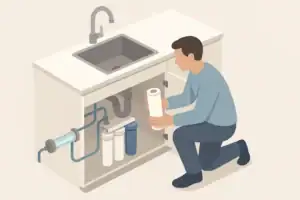
When UV Disinfection Makes Sense: 5 Reasons for Your Home
Protect your water: UV can inactivate many microbes without chemicals. Know when it pairs with filters, city water…
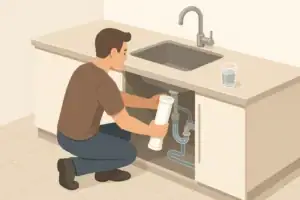
Microplastics Filter Media: 5 Ways to Protect Your Tap
5 filter media that can cut microplastics in your tap water - side-by-side fit for whole-house & under-sink…

Chloramine Taste and Smell: 5 Ways to Improve Your Water
Many water systems use chloramine, so your tap may taste and smell different than chlorine; learn why so…

Chlorine Taste in Tap Water: 7 Quick Fixes for Your Home
3 quick fixes to cut chlorine taste in tap water now, plus proven long-term filters and simple upkeep…

Sediment vs Rust Particles: 5 Quick Tests for Your Tap
3 simple tests help you tell whether brown tap water is sediment or rust, what each means for…

Arsenic Filtration Basics: 7 Ways to Protect Your Home
Protect your family: identify arsenic levels, choose affordable EPA-tested filters, and use certification and upkeep tips to keep…

Nitrates in Well Water: 7 Filters to Protect Your Family
Protect your family: test well water for nitrates, compare 5 effective home filters, costs, and planning tips so…
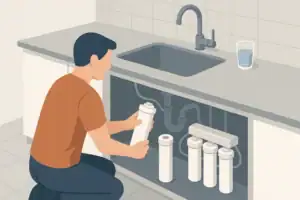
Pesticide and Herbicide Water Filter: 5 Safe Choices
Reduce pesticide levels in tap water - choose a pesticide and herbicide water filter: activated carbon, RO or…

VOCs in Water: 5 Ways Carbon Filters Protect You
Protect your family: carbon filters (carbon block & GAC) cut common VOCs from tap water. Understand how they…
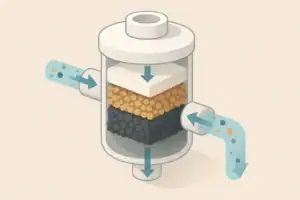
PFAS Removal Options: RO vs Carbon vs Whole House
Learn how PFAS are removed from home water using reverse osmosis, activated carbon, and whole-house systems. Compare performance,…
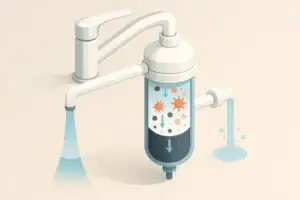
Lead in Tap Water: Practical Steps Before Buying a Filter
Learn how to figure out if you have lead in your tap water, which tests actually help, and…