
Water Quality Basics
TDS, hardness, pH, turbidity, pressure, flow, and capacity explained.
Explore topics
Well Water Turns Orange After Standing: 3 Iron Clues
Clear water that turns orange is often iron oxidizing in your glass. See which tests confirm it and…
Why Filtered Water Tastes Flat (and How to Fix It)
Restore a cleaner, fuller taste to your water by understanding how carbon filters, missing minerals, and RO systems…
Water Smells Like Swimming Pool: 5 Clues for Your Tap
Most pool-like tap water odors come from chlorine or chloramine. Spot the key differences, choose the right filter,…
Chloramine in Tap Water: 4 Ways to Check Your City
Avoid the wrong filter: check your city's water report, call your utility, and test wisely for chloramine in…
Brown Water After City Main Repair: 5 Things to Do
Protect your pipes and appliances: flush brown water after a city main repair, check local advisories, and filter…
White Film on Boiled Water: 3 Ways to Tell What It Is
Most white film on boiled water is harmless mineral scale—not contamination. Use quick checks to decide when your…
Water Hardness Grains per Gallon vs ppm: 2 Ways to Convert
1 grain per gallon equals 17.1 ppm. Convert water hardness fast, read your test results, and set your…
pH in Drinking Water: 5 Filter Facts You Should Know
Carbon, RO, and remineralization filters can shift pH in drinking water. See when it matters and how testing…
Copper in Tap Water: 5 Signs You Should Test
Blue-green stains, metallic taste, or plumbing issues? See when copper in tap water testing makes sense and what…
Boil Water Notice Filters: What They Can Do
See what boil water notice filters can and can’t remove, when boiling still matters, and what to flush…
Private Well Water Testing Schedule: 5 Checks You Need
Plan your private well water testing schedule with annual, seasonal, and after-storm checks to protect water quality and…
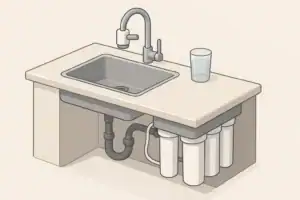
Microplastics in Tap Water: What We Know and Practical Steps at Home
Learn what is currently known about microplastics in tap water and see practical, low‑stress steps you can take…
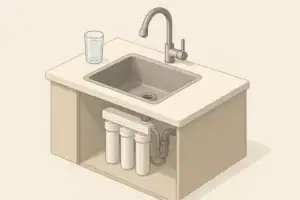
Iron in Water: Staining, Metallic Taste, and Practical Filtration Options
Learn how iron causes stains and metallic taste in home water, how to identify types of iron, and…
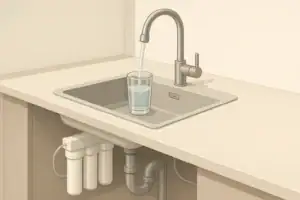
Why Tap Water Smells Like Sulfur and Practical Ways to Fix It
Learn why your tap water smells like sulfur or rotten eggs, how to pinpoint the source, and which…
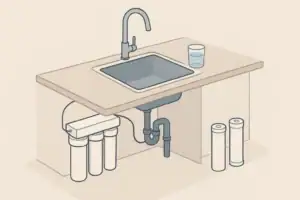
Filter Capacity in Gallons: How Manufacturers Decide Cartridge Lifespan
Learn how filter capacity in gallons is calculated, what real-world factors reduce it, and how to use capacity…
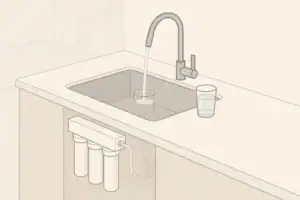
Water Pressure vs Flow Rate: Why Your Filter Feels Slow
Understand how water pressure and flow rate affect your home filters, why faucets feel slow, and practical ways…
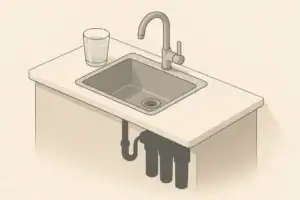
Turbidity Explained: Why Your Tap Water Looks Cloudy
Learn what causes cloudy tap water, what turbidity really measures, and when to consider basic filtration or testing…
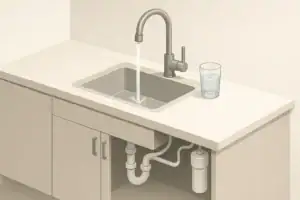
How to Read Your City’s Consumer Confidence Report (CCR) for Tap Water
Learn how to read your city’s Consumer Confidence Report (CCR), understand common terms, and decide what home water…
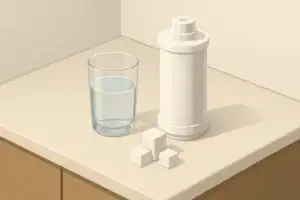
Chlorine vs Chloramine in Tap Water: Taste, Smell, and Filtration
Learn the differences between chlorine and chloramine in US tap water, how they affect taste and odor, and…
What’s a Good TDS Level for Tap Water? (Without Overthinking It)
Learn what TDS (total dissolved solids) really means for tap water, why the number on your meter isn’t…
TDS vs Hardness: What’s the Difference?
Learn the difference between TDS and water hardness, how each is measured, what they tell you about your…