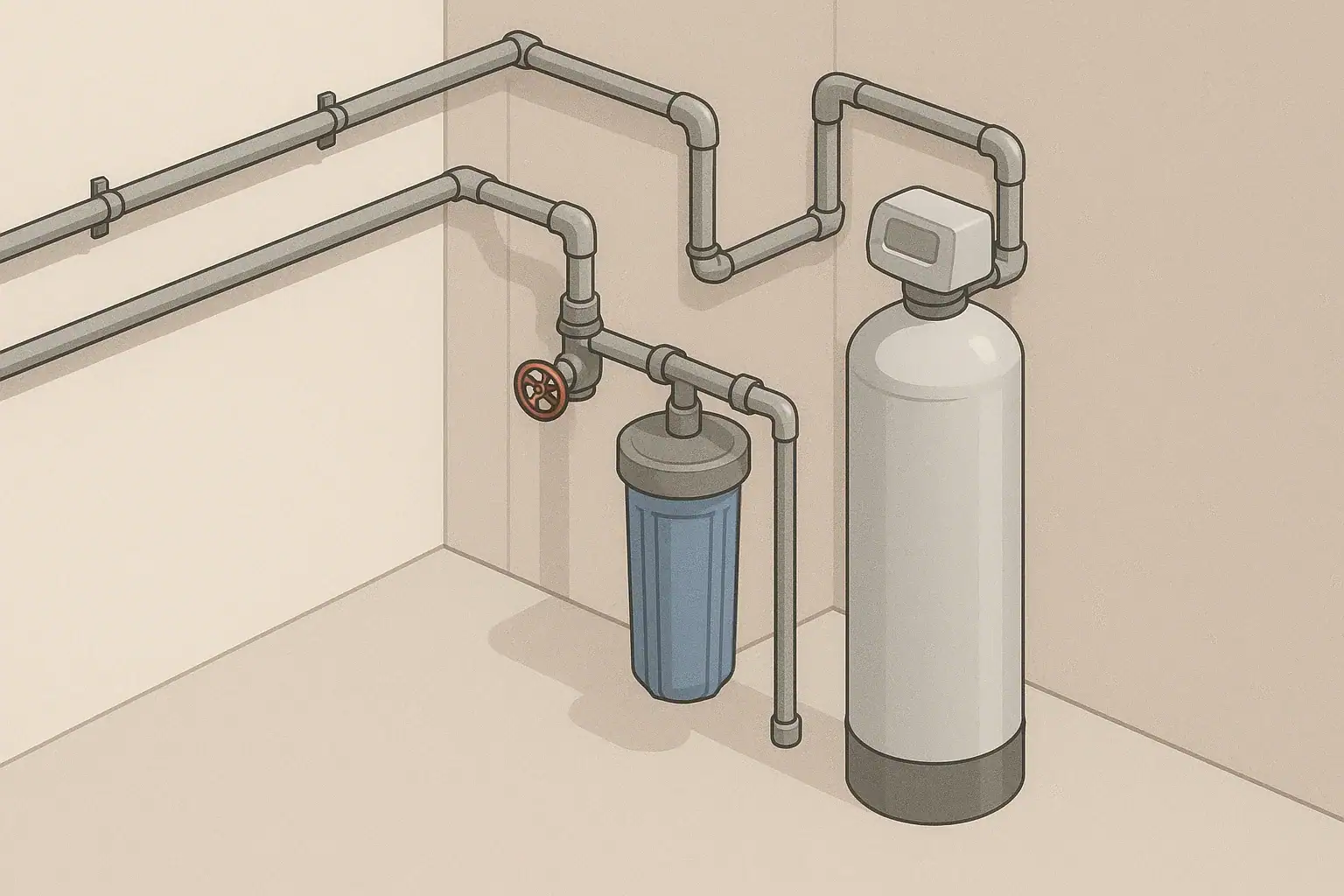
Why Replacement Costs Matter for Whole House Filters
Whole house water filters can make tap water taste and smell better throughout your home, but the ongoing replacement costs vary widely between cartridge systems and media tank systems. The purchase price of the equipment is only part of the story. Over several years, the cost of filter elements, service visits, and water waste can add up.
Understanding how each format works helps you estimate realistic operating costs and choose a setup that fits your water use, local water quality, and maintenance preferences. This article focuses on long-term expenses, cost per gallon, and practical maintenance rather than any one brand or model.
Cartridge vs Media Tank Systems: The Basics
Most residential whole house filters fall into two broad categories:
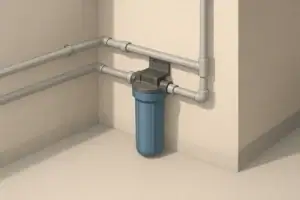
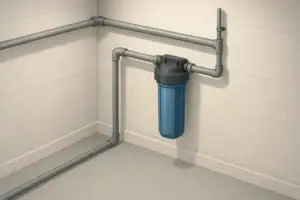
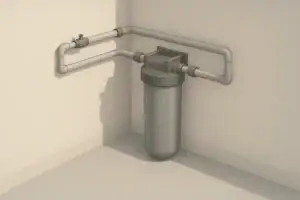
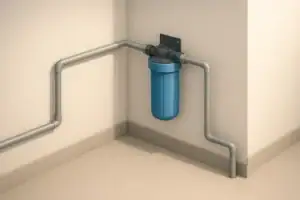
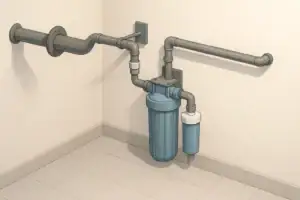
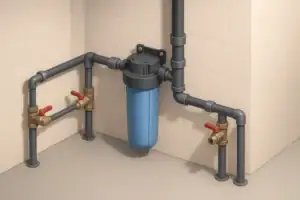
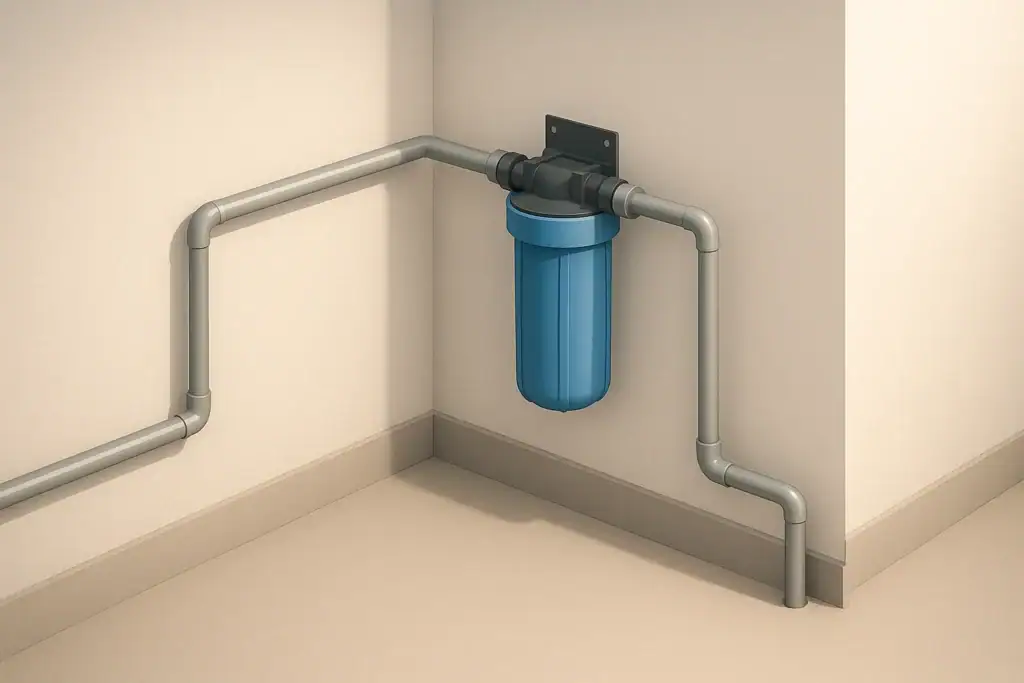
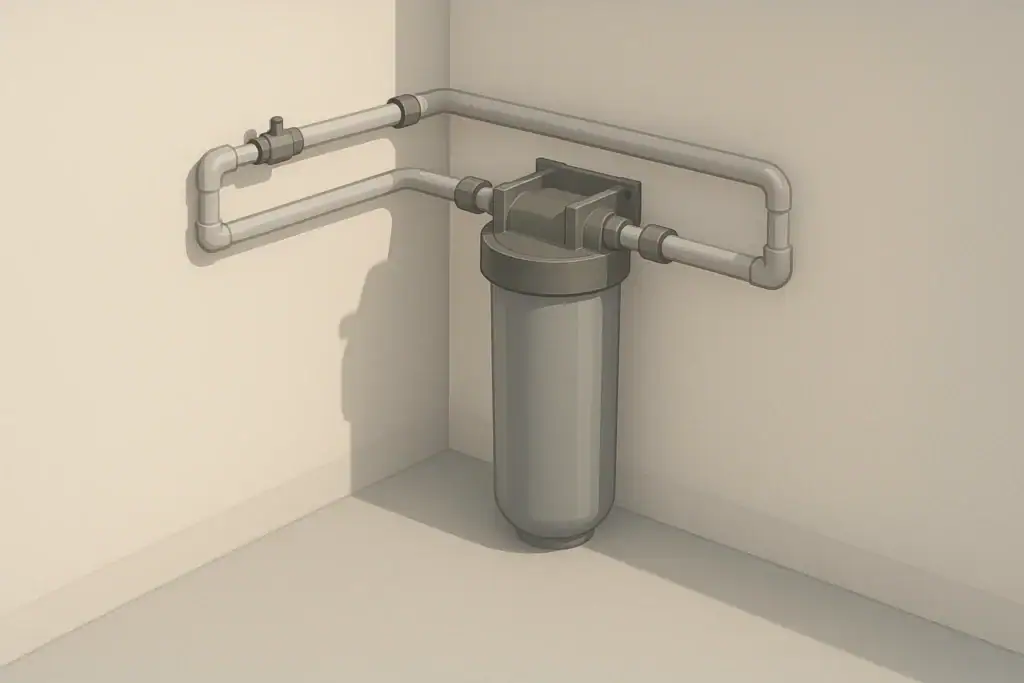
- Cartridge-based systems – One or more replaceable cartridges inside housings, usually installed on the main line where water enters your home.
- Media tank systems – A larger tank filled with loose filtration media (such as carbon or specialty resins), often with a control valve that backwashes or rinses the media on a schedule.
Both can be combined with other equipment such as water softeners, sediment prefilters, or point-of-use filters under sinks. For cost planning, it helps to look separately at filters that improve taste and odor (often related to chlorine or organic compounds) and filters that target sediment, iron, or other specific issues.
Example values for illustration.
| Aspect | Cartridge System | Media Tank System |
|---|---|---|
| Initial equipment cost (example) | Lower to moderate | Moderate to higher |
| Typical service interval | Months to 1 year | Years between media changes |
| DIY friendliness | Often suitable for basic DIY | More likely to need professional help |
| Space required | Compact, wall-mounted housings | Taller tank, more floor space |
| Flow and pressure handling | May need multiple cartridges in parallel for high demand | Generally better for higher flow rates |
| Best fit | Lower to medium water use, simpler installations | Higher water use, long-term capacity |
How Cartridge-Based Whole House Filters Affect Long-Term Costs
Cartridge systems use sealed elements that you replace entirely when they reach their capacity or time limit. Cartridges can target different issues: sediment, carbon for taste and odor, specialty cartridges for specific contaminants, or combinations.
Typical Cartridge Replacement Frequencies
Replacement intervals vary by cartridge size, media type, and water conditions, but some common patterns include:
- Sediment cartridges – Often changed every 1–6 months, depending on how much visible particulate is in the water and how quickly pressure drops.
- Standard carbon cartridges – Commonly rated for several months to about 1 year of use based on average household flow.
- Large “whole house” cartridges – Oversized cartridges can last longer (for example, many months to around a year) because they hold more media.
- Specialty cartridges – Those aimed at specific contaminants may have shorter or longer intervals depending on media capacity and incoming levels.
Manufacturers usually provide a maximum time-in-service guideline (such as 6 or 12 months) in addition to an estimated capacity. You should follow both the capacity guidance and the time limit, even if you do not think you used the full capacity, to avoid performance decline.
Cartridge Replacement Cost Drivers
Several factors influence how much you will spend each year on cartridge replacements:
- Housing size – Larger diameter and longer cartridges generally cost more but may last longer, which can reduce cost per gallon.
- Media complexity – Simple sediment cartridges are usually less expensive than multi-stage or specialty cartridges.
- Number of stages – Multi-housing systems can use separate sediment, carbon, and specialty cartridges; you may replace some more often than others.
- Water quality – High sediment, high chlorine, or specific contaminants can consume media faster, increasing replacement frequency.
- Household usage – More occupants, large yard irrigation, or frequent laundry increase water volume through the filter, reducing cartridge life.
When comparing systems, it is helpful to translate these variables into cost per year and cost per gallon estimates.
Estimating Cartridge Cost per Gallon
To approximate cost per gallon for a cartridge system, you can use a simple formula:
- Estimate annual water use. Many homes use tens of thousands of gallons per year. You can use water bills or a conservative estimate.
- Determine cartridge lifespan. Use whichever comes first: time limit or rated capacity.
- Multiply the number of cartridges needed per year by their typical price.
- Divide the annual cartridge cost by your estimated gallons per year.
For example only, if your home uses about 60,000 gallons per year and you spend a few hundred dollars on cartridges annually, your cost per gallon might be a fraction of a cent. This is purely illustrative; your actual costs depend on local water quality, system design, and household habits.
Maintenance and Hidden Costs with Cartridges
Cartridge systems can involve additional minor costs and tasks beyond the cartridges themselves:
- O-rings and lubricant – Periodic replacement of housing seals and use of food-grade lubricant to prevent leaks.
- Pressure gauges and valves – Installing shutoff valves and gauges makes changes easier but adds up-front cost.
- Time and labor – DIY cartridge changes take time; professional service adds labor cost.
- Disposal – Used cartridges must be disposed of according to local rules. Some households factor this into their sustainability considerations rather than cost alone.
On the positive side, cartridge systems typically use no electricity and do not require drain connections, which keeps installation simpler and can reduce service complexity.
How Media Tank Systems Influence Long-Term Costs
Media tank systems use a large vessel filled with loose media such as granular activated carbon or specialty resins. Water flows through the tank, and the media is replaced or re-bedded after several years. Many systems use automatic backwash cycles to flush out trapped particles and extend media life.
Media Lifespan and Replacement Intervals
The lifespan of media tank systems often ranges from a few years to many years, depending on the media type and water conditions:
- Carbon media tanks – May be designed for multi-year operation before the carbon is exhausted.
- Specialty media tanks – Media designed for issues like iron reduction, specific metals, or other contaminants may have shorter or longer service lives.
- Backwashing vs upflow designs – Systems that periodically backwash may maintain performance longer by preventing channeling and removing accumulated sediment.
Because replacements are infrequent, media tanks can appear very cost-effective over time when spread across several years, but the individual service visit may be relatively expensive when media is finally changed.
Media Tank Replacement Cost Components
Costs for media tanks are usually grouped into these categories:
- Initial tank and control valve – Higher up-front cost than a simple cartridge housing, especially for systems with electronic valves.
- Media volume – Large quantities of media are required to fill the tank, and specialty media can cost significantly more than standard carbon.
- Professional service – Many homeowners hire a professional to replace media because it involves depressurizing the system, opening the tank, and flushing thoroughly.
- Backwash water use – Systems that backwash can send additional water to the drain; this is part of the operating cost, especially in areas with high water or sewer rates.
- Power and control – Some valves use electricity, adding a small ongoing energy cost and occasional control head maintenance.
Media tank systems may offer better flow rates and less frequent intervention at the cost of more complex equipment and service events.
Estimating Media Tank Cost per Gallon
To estimate cost per gallon for a media tank, you can:
- Estimate your household water use over the full media lifespan (for example, annual use multiplied by the expected years between media changes).
- Add together the initial tank cost and an estimated share of the first media replacement.
- Estimate the media replacement cost and average it over the expected years between changes.
- Account for water used in backwash by adding an estimated percentage to your water use during the period.
- Divide total costs by total gallons filtered during the same period.
For illustration, a system that runs for several years before media replacement may result in a low cost per gallon when averaged across its lifespan, especially in higher-use households. Actual numbers depend heavily on media choice, local water chemistry, and service rates.
Maintenance and Service Considerations for Media Tanks
Media tank systems usually require less frequent hands-on attention but can involve more complex steps when service is needed:
- Control head checks – Periodic inspection to ensure the valve cycles and backwashes correctly.
- Bypass operation – Knowing how to use the bypass valve is important before any service or in case of malfunction.
- Drain line – Regularly checking that the drain line is clear and properly routed to avoid leaks or backups.
- Media level – Some systems benefit from confirming that the media bed has not significantly compacted or lost volume over time.
Because service visits are less frequent, homeowners sometimes overlook maintenance until they notice changes in taste, odor, or flow. Setting calendar reminders based on installation date and media lifespan can help avoid unexpectedly degraded performance.
Cost Per Gallon: Cartridges vs Media Tanks
Cost per gallon is a useful way to compare very different systems on an equal footing. While precise values depend on real-world prices and conditions, several patterns tend to appear:
- Cartridge systems may have a lower initial investment but a higher recurring cost per gallon, especially if cartridges are small or replaced frequently due to challenging water.
- Media tanks may cost more up front but spread this cost over higher volumes of water and longer time periods, often leading to a lower cost per gallon in high-use homes.
The balance can shift depending on the size of your household and the contaminants you want to address:
- Smaller households with modest water use may find that simple cartridge systems offer manageable annual costs without a large up-front tank investment.
- Larger households, or those using whole house filtration along with irrigation or high-flow fixtures, may see better long-term economics from media tanks designed for high capacity.
Cost per gallon is only one factor. Maintenance preferences, space constraints, and installation complexity also play a role in determining the best fit for a particular home.
Maintenance Schedules and Planning for Replacement Costs
Planning a maintenance schedule in advance helps smooth out replacement costs and supports consistent performance. Instead of reacting to clogged filters or sudden taste changes, you can set proactive reminders based on your system type, water quality, and usage.
Key Indicators That Replacement Is Due
Certain visual and performance cues can suggest that cartridges or media may be approaching the end of their useful life:
- Pressure drop – Noticeable reduction in water pressure or flow at multiple fixtures can indicate sediment buildup or clogged media.
- Return of taste or odor – If tap water begins to taste or smell more like untreated municipal water, carbon media may be nearing exhaustion.
- Visible discoloration – Clear housings or sampling ports may show sediment or color changes.
- Time since installation – Even if performance seems acceptable, following recommended maximum service times helps avoid gradual decline.
Recording installation and replacement dates, along with any noticeable changes in water characteristics, can help you refine your schedule over time.
Example values for illustration.
| Item to Track | Typical Interval | Cues to Check | Planning Tip |
|---|---|---|---|
| Sediment cartridge change | 1–6 months | Pressure drop, visible dirt, cloudy water | Log replacement dates and note pressure readings |
| Carbon cartridge change | 6–12 months | Return of chlorine taste or odor | Align with seasonal tasks, such as HVAC filter checks |
| Media tank inspection | Annually | Valve operation, leaks, unusual sounds | Mark on calendar near other annual home inspections |
| Media replacement (tank) | Several years | Persistent taste/odor despite backwashing | Budget gradually by setting aside a small yearly amount |
| O-ring and seal check | At each cartridge change | Drips at housings, flattened O-rings | Keep spare O-rings and lubricant with cartridges |
| Water quality testing | Every 1–2 years, or as needed | Changes in source water reports or plumbing work | Compare before/after sampling to assess performance |
Certifications, Performance, and Verifying Claims
When comparing cartridge and media tank systems, certifications can help you understand what performance has been tested by independent organizations. For drinking water applications, many manufacturers reference NSF/ANSI standards in their documentation.
Common Standards for Residential Filtration
Whole house filters may be tested under different NSF/ANSI standards, depending on their design and intended use:
- NSF/ANSI 42 – Covers aesthetic effects such as taste, odor, and chlorine reduction, as well as some particulate reduction.
- NSF/ANSI 53 – Relates to reduction of certain substances considered of health concern, such as some metals or organic compounds, when specifically tested.
- NSF/ANSI 401 – Addresses reduction of select emerging compounds such as certain pharmaceuticals or chemicals, when claimed and tested.
- NSF/ANSI 58 – Applies to reverse osmosis systems, which are sometimes combined with whole house prefiltration but are typically installed at a point of use rather than as a whole house unit.
Not every whole house system carries these certifications, and some may be tested to other standards instead. When certifications do appear, you can usually verify claims through the certifying body’s listings by model or by contacting the manufacturer for documentation.
Using Certifications in Cost Comparisons
Certifications do not directly state cost per gallon, but they can help you interpret performance ratings and capacity claims. For example:
- Certified systems often list the conditions under which testing occurred, such as flow rate and influent water composition.
- Reported capacities may provide a reference point for estimating how long media or cartridges could last under similar conditions.
- Knowing which contaminants were specifically tested helps you avoid assumptions about performance outside those parameters.
By pairing certification information with your household’s water use and source water characteristics, you can build a more grounded estimate of both performance and ongoing replacement costs for either cartridge or media tank systems.
Frequently asked questions
How much does it typically cost per year to maintain a cartridge whole house filter?
Annual maintenance for cartridge systems commonly ranges from about $100 to $500 depending on the number, size, and type of cartridges you use plus local prices. Higher sediment loads or the use of specialty cartridges increase frequency and cost, while larger or longer-life cartridges reduce annual spend.
How often do media tank systems need media replacement and what does that service usually include?
Media tank replacements typically occur every 3–10 years depending on media type and water conditions; some specialty media last longer while others may need earlier replacement. A replacement service usually includes removing and replacing media, flushing the tank, and checking or servicing the control valve, and many homeowners hire a professional for the task.
Which system usually provides a lower cost per gallon for large households?
In higher-use homes, media tank systems often produce a lower cost per gallon because the larger media volume and less-frequent replacements are amortized across many gallons. Cartridge systems can be more economical for small households due to their lower up-front cost and simpler installation.
Can I change cartridge filters myself and what additional items should I budget for?
Many cartridge changes are DIY-friendly and can take around 10–30 minutes, but you should budget for spare O-rings, food-grade lubricant, and possibly a pressure gauge or shutoff valves to make the task easier. If you prefer professional installation or live in a region where access is restricted, add local labor rates to the cost estimate.
How does backwash water for media tanks affect operating costs?
Backwashing uses extra water that goes to drain and can increase billed water and sewer usage by a few percent to a larger share depending on cycle frequency and system design. In areas with high water or sewer rates, estimating backwash volume over a year is important when comparing total operating costs between systems.
Recommended next:
- Whole House Filters vs Water Softeners: Different Jobs Explained
- Best Whole House Sediment Filters: Clear Up Cloudy Water
- Whole House Carbon Filters for Chlorine & Taste: What to Expect
- Whole House Filter Flow Rate: Sizing by GPM and Household Count
- Backwashing Filters Explained: Pros, Cons, and Maintenance
- Installing a Whole House Filter: Placement, Bypass, and Leak Prevention
- More in Whole House Filters →
- NSF/ANSI standards explained (42/53/401/58)
- Clear trade-offs: pitcher vs faucet vs under-sink vs RO
- Maintenance planning: cost per gallon and replacement cadence